
Published by Miller and Sons Water Heater Solutions · Service preparation and decision guidance
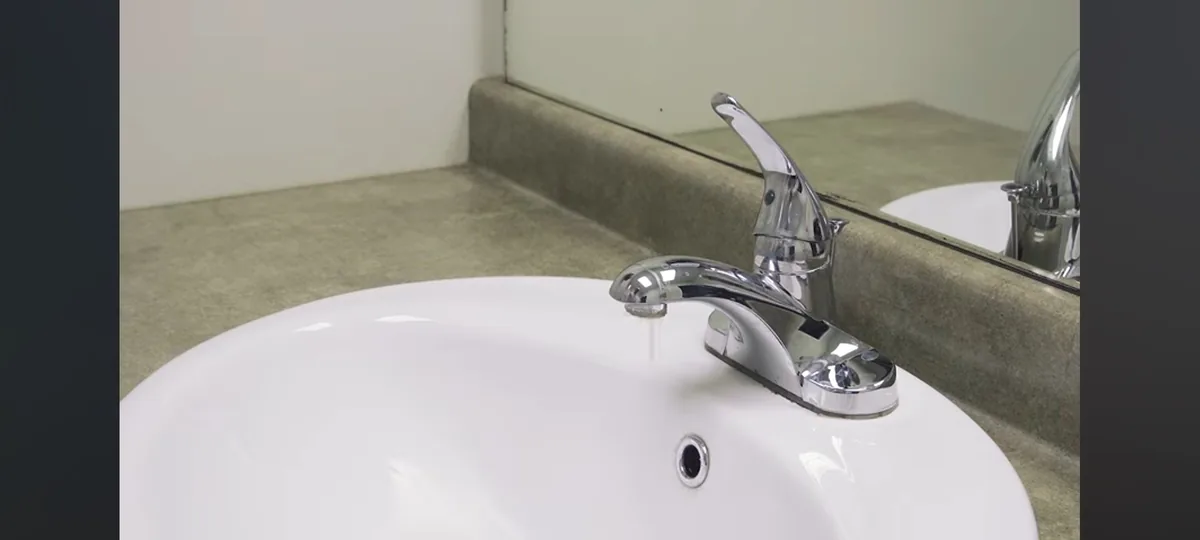
Describe the difference between fixtures
Tell the technician which sink or shower is affected and whether others behave normally during the same period. A fault that appears only when several fixtures run together is different from one shower that never gets warm. These observations help define the testing needed.
Think about recent fixture work
A new shower valve, faucet or plumbing alteration can be relevant. Explain what changed, but do not assume that it caused the issue. Mixing controls, restrictions and installation conditions need inspection rather than a remote conclusion.
Account for tankless activation
Tankless models require a minimum flow to start heating. A fixture with restricted flow can behave differently from another tap. A flow-sensor fault is also possible, but replacing a sensor without checking the water path can miss the cause.
Avoid using temperature as a workaround
Turning the heater up can increase scald risk at the fixtures that already work properly. It may also conceal a mixing problem. Leave control covers closed and arrange diagnosis rather than using a higher setting to compensate.
Choose the right next step
Ask for troubleshooting that considers the appliance and hot-water delivery. The owner accepts calls directly and can discuss whether the visit should start at the fixture, the heater or both. Have the service ZIP and accessible model details ready.
Arrange the relevant service
Water Heater Diagnostic & Troubleshooting is available for eligible residential and commercial requests. Calls go directly to the owner. Have the physical job address ready; visit timing is discussed by phone.
Manufacturer information is model-specific. These links do not imply a manufacturer partnership or certification.